Learning Like a Cat: Education at the Edge of Control

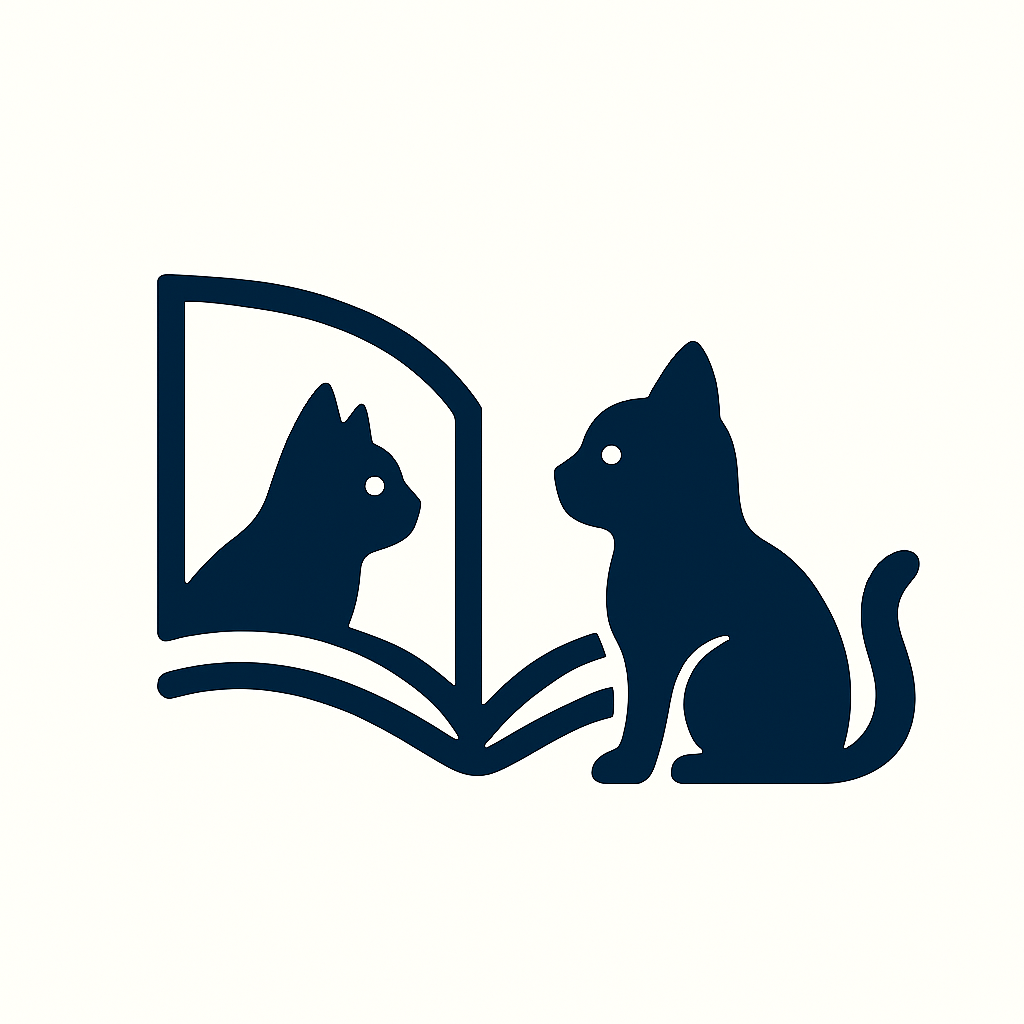
A cat does not learn on command.
She wanders, watches, then comes back and takes a restful nap.
She learns by instinct, by curiosity, by proximity, not by pressure.
She is both deeply social and fiercely independent.
She lives at the edge of the system and she thrives there.
So too, homeschooling emerges as a feline force in education.
Not feral or ungoverned, but sovereign - resisting domestication by algorithm.
It learns on its own time, in its own space and with its own questions.
Where the dog-like model of schooling chases efficiency, obedience and reward…
…the cat-like model explores meaning, adapts through environment and values freedom with connection.
What the Cat Knows (that AI can’t today)
AI can replicate recall.
It can teach grammar rules, summarise Shakespeare and solve algebra.
But it cannot nurture intuition or notice mood.
It cannot slow down with a learner or speed up because they’re on fire with a question.
These are things a cat knows and a child learns best in safety, rhythm and relational space.
To homeschool, then, is not simply to leave the house of schooling.
It is rather to ask:
🌀 What if learning followed natural rhythms?
🌀 What if knowledge arrived not through force, but through presence?
🌀 What if we made space for stillness, prowling, leaping and returning?
The Garden Beyond the Gate
In Autumn 2024, according to UK Government statistics, over 111,700 children in England were officially homeschooled. More than 153,000 were educated at home at some point that year—a 60% increase since 2019.
In the US, over 3.7 million children now learn outside of formal schools.
France tightens regulation and Germany bans homeschooling outright.
And still, some families quietly step beyond the gate.
Some are seeking safety. Others, flexibility.
Some leave in protest. Others in hope.
All are asking - perhaps not aloud:
What is school for, if not to serve the child?
But Not All Cats Thrive Alone
And yet—
A cat may flourish on her own.
But we are not all cats.
Some children need more scaffolding.
Some families cannot afford time or tutoring.
Some risk isolation, unshared ideas, unspoken harm.
Some homes are not safe. Some intentions not sound.
Without structure, some children drift. Without oversight, some disappear.
Freedom without connection can become loneliness.
Autonomy without support can become inequality.
So while the cat reminds us of all that schooling forgets, she also reminds us:
Even the most independent beings need warmth, connection and community.
Feline Futures: What Homeschoolers Teach Us
Long before COVID, home educators pioneered models we now call “innovative”:
- Project-based, child-led inquiry
- Mixed-age learning
- Hybrid formats
- Neurodiverse-friendly structures
- Curriculum rooted in care, stories and values
They did this without funding or permission, using their instinct, creativity and out of necessity. These ideas, once marginal, now shape visions of innovation in the mainstream.
Purposeful Plurality: What the Future Demands
The idea here is not that everyone should homeschool, but rather that systems need to flex, listen and evolve.
If the future of education is not “more AI”, then it has to be more humanity, surely?
This means:
🐾 Slow-time learning that values depth over speed
🐾 Belonging as a design principle, not an add-on
🐾 Learning that leaves room for unknowing, un-planning and wondering
🐾 Public structures that honour difference without losing solidarity
It's not one or the other - we need both the house and the hedge.
The timetable and the instinct.
The school and the cat.
In the End, She Returns
At dusk, the cat returns.
Not because she is summoned—
but because something still calls her.
She doesn’t belong to the system,
but she knows its edges.
She lives in its blind spots,
and shows us what it cannot see.
She may not stay long.
But if we watch her—
we may remember what we once knew:
That learning is not made in factories,
but formed in relationships.
That curiosity cannot be commanded.
That rest is part of growth.
And that the best learning—
comes not when we’re told,
but when we’re ready.